
TEHRAN (AFP/IRNA) – The United States and Iran have announced an agreement aimed at ending months of conflict in the Middle East and restoring shipping through the Strait of Hormuz, a key global oil transit route.
US President Donald Trump said on Monday that vessels had begun moving through the strait and expressed confidence that the waterway would be fully operational by Friday.
“Ships are starting to move, many loaded with oil, out of the Strait of Hormuz,” Trump said during remarks at the G7 summit.
Iranian media also reported that several oil tankers and cargo vessels had passed through the area on Monday.
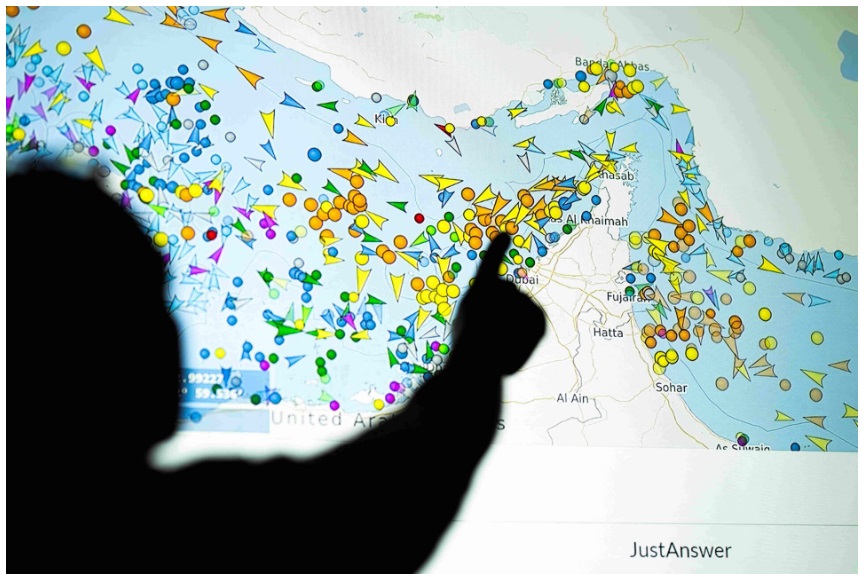
The Strait of Hormuz, through which a significant portion of the world’s seaborne oil trade passes, has been at the centre of disruptions since the outbreak of hostilities earlier this year. The conflict contributed to sharp increases in global energy prices and concerns over supply disruptions.
The United States, Iran and mediator Pakistan said a memorandum of understanding (MoU) outlining steps towards ending the conflict is expected to be formally signed in Switzerland on Friday.
According to a senior US administration official, President Trump, Vice President JD Vance and Iranian parliamentary speaker Mohammad Bagher Ghalibaf have already signed the document electronically.
Trump described the agreement as a “very powerful document” and said details would be released soon.
Iranian Deputy Foreign Minister Kazem Gharibabadi said the agreement would bring an immediate halt to military operations and pave the way for negotiations on a broader settlement within two months.
Iranian President Masoud Pezeshkian welcomed the agreement, describing it as a positive development for the region, while military officials characterised it as a success for Iran.
However, Iranian Foreign Minister Abbas Araghchi urged caution, citing past disputes and challenges in implementing previous agreements between Tehran and Washington.
“We have a history of broken commitments,” Araghchi said. “All of this is present in our minds.”
Questions also remain over the agreement’s impact on other regional flashpoints, particularly Lebanon.
Iranian Foreign Ministry spokesman Esmaeil Baqaei said Washington should ensure that hostilities involving Israel and Lebanon are addressed under the framework of the agreement.
Israeli Prime Minister Benjamin Netanyahu said Israeli forces would continue operations in Lebanon, Syria and Gaza for as long as necessary to meet security objectives.
Lebanese President Joseph Aoun welcomed the announcement, expressing hope that it would help reduce regional tensions.
Despite the agreement, Lebanese state media reported a deadly strike in southern Lebanon after the announcement, while Hezbollah said clashes with Israeli forces had continued.
Several details of the agreement remain unclear. Iranian officials said discussions would continue on issues including sanctions relief, access to frozen Iranian assets, maritime arrangements in the Strait of Hormuz and Iran’s nuclear programme.
Iranian officials have also indicated that they may seek United Nations Security Council endorsement of any future comprehensive agreement.
Financial markets reacted positively to the announcement. Oil prices fell sharply as traders anticipated a reduction in supply risks, while major global stock markets posted gains.
In Tehran, reactions among residents were mixed, with some expressing hope that the agreement could bring stability after months of conflict, while others remained cautious about its long-term impact.
Courtesy of Borneo Bulletin